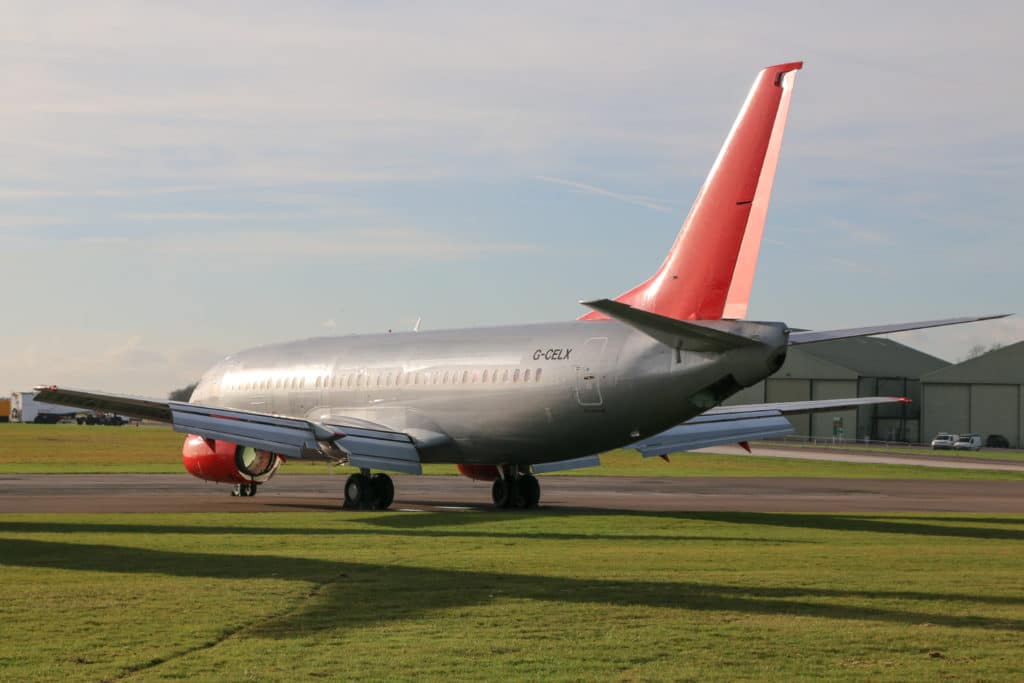
Cotswold Airport, commonly known as Kemble Airfield, is one of the UK’s largest aircraft storage and recycling locations. Its constantly changing population of airliners, business jets, and preserved aircraft makes it especially interesting for aviation enthusiasts. However, because there is no official published inventory, tracking what is currently on site requires a bit of knowledge and the right approach.
How to Find the Stored Aircraft List
Dedicated Spotting Websites
The most reliable way to find a current list of stored aircraft is through enthusiast-run spotting websites focused on Kemble. These platforms maintain regularly updated storage lists based on recent visits and reports.
These lists typically include:
- Aircraft type and registration
- Operator or former operator
- Status (stored, under maintenance, dismantled, preserved)
They are updated frequently, making them the best starting point before visiting.
Community Contributions
Most Kemble storage lists are built from community input. Spotters visiting the airfield report:
- New arrivals
- Departures
- Aircraft being broken up or moved
Because of this, the accuracy of lists is generally high, but they should always be treated as a snapshot in time rather than a fixed record.
Cross-Checking Information
For the most accurate picture, experienced spotters often compare multiple logs and recent reports. This helps confirm whether an aircraft is still present or has recently left or been dismantled.
Understanding Where Aircraft Are Stored
Kemble is a large and spread-out airfield, and stored aircraft are located across several areas rather than in one central location.
Typical storage areas include:
- Main aprons used for large commercial aircraft
- Taxiways and remote stands for long-term parking
- Hangars and dismantling zones for aircraft being worked on
- Preservation areas where historic aircraft are kept
Not all of these areas are visible from public viewpoints, so some aircraft listed may not be easily seen.
Example of a Typical Stored Aircraft List
The exact aircraft at Kemble change regularly, but a typical snapshot might include a mix like this:
Commercial Airliners
- Airbus A320 family aircraft from various airlines
- Airbus A319 aircraft, including former British Airways examples
- Boeing 737-800 aircraft from international operators
- Occasional widebodies such as Boeing 787 or Boeing 747 variants
Aircraft Undergoing Dismantling
- A320 and A319 airframes with engines removed
- Partially dismantled fuselages and cockpit sections
Preserved Aircraft
- A British Airways Boeing 747 G-CIVB preserved on site
- Classic British military aircraft such as the English Electric Canberra
- Types like the Hawker Hunter, Blackburn Buccaneer, and Folland Gnat
- Larger historic aircraft such as the Bristol Britannia
Military and Specialist Types
- Former RAF training aircraft
- Retired fast jets
- Various helicopters used for civilian or military roles
This mix is what gives Kemble its reputation for variety and interest.
Why the List Changes Frequently
Kemble is not just a storage site—it is also an active maintenance, recycling, and refurbishment facility. As a result:
- Aircraft regularly arrive for storage
- Some are prepared to return to service
- Others are dismantled for parts
- Airframes are frequently moved around the site
Because of this constant activity, the list of stored aircraft can change significantly over short periods.
Tips for Tracking Aircraft
To keep up with what is currently at Kemble:
- Check out our storage list shortly before your visit
- Look for recent updates or “latest movements” sections
- Follow spotting communities for real-time reports
- Keep your own records if you visit regularly
Being up to date will greatly improve your chances of seeing specific aircraft.
Summary
Tracking stored aircraft at Kemble Airfield relies on enthusiast knowledge and regularly updated community resources rather than official airport data. With a constantly evolving mix of aircraft—from modern airliners to historic classics—the airfield offers one of the most dynamic spotting environments in the UK.